Understanding the Significance of Cultural Heritage Events
Cultural heritage events play a crucial role in preserving local traditions and fostering community spirit. This article explores their significance and the benefits they offer, particularly for adults aged 40-60 in Ireland.
The Role of Cultural Heritage Events
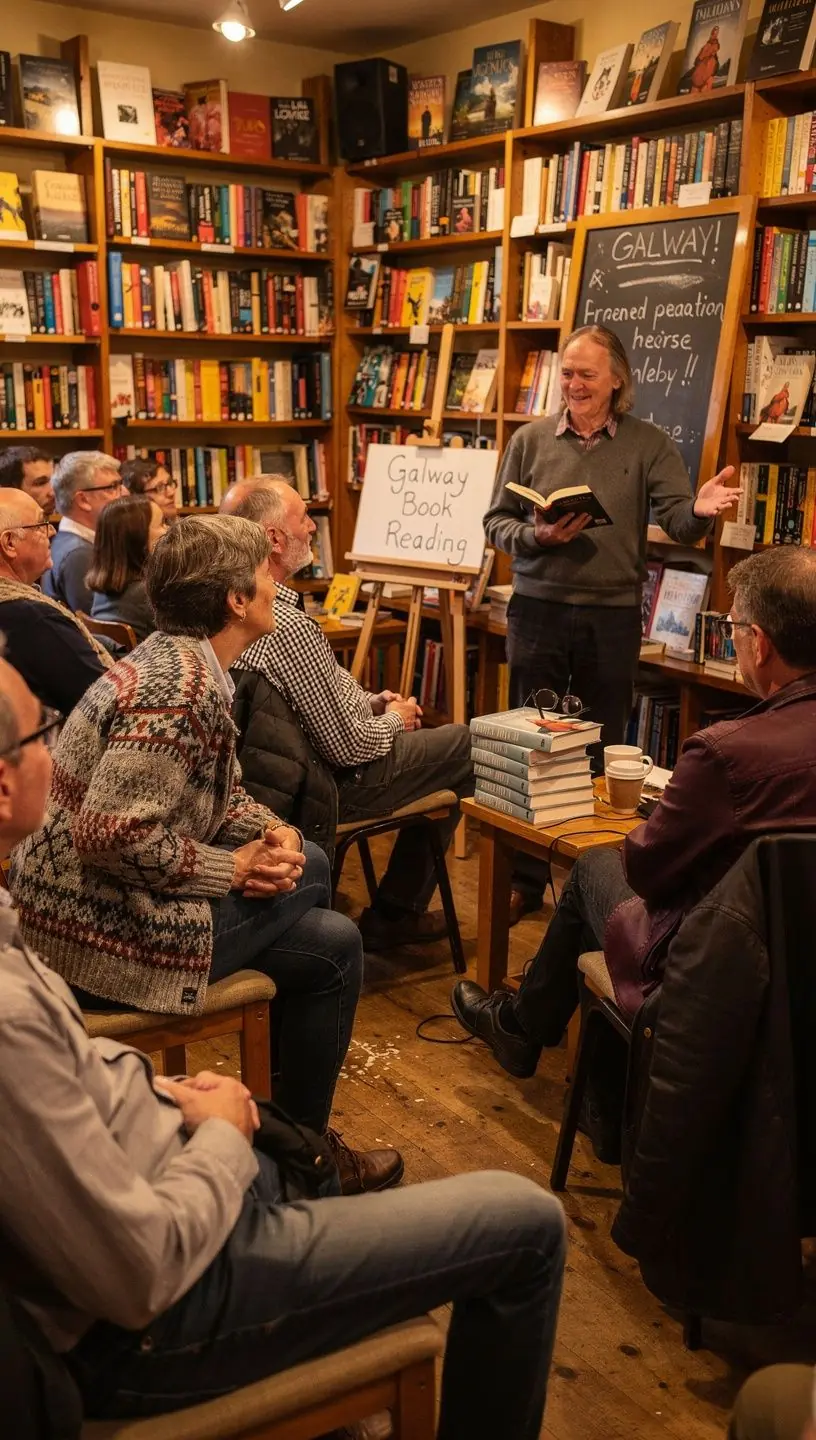
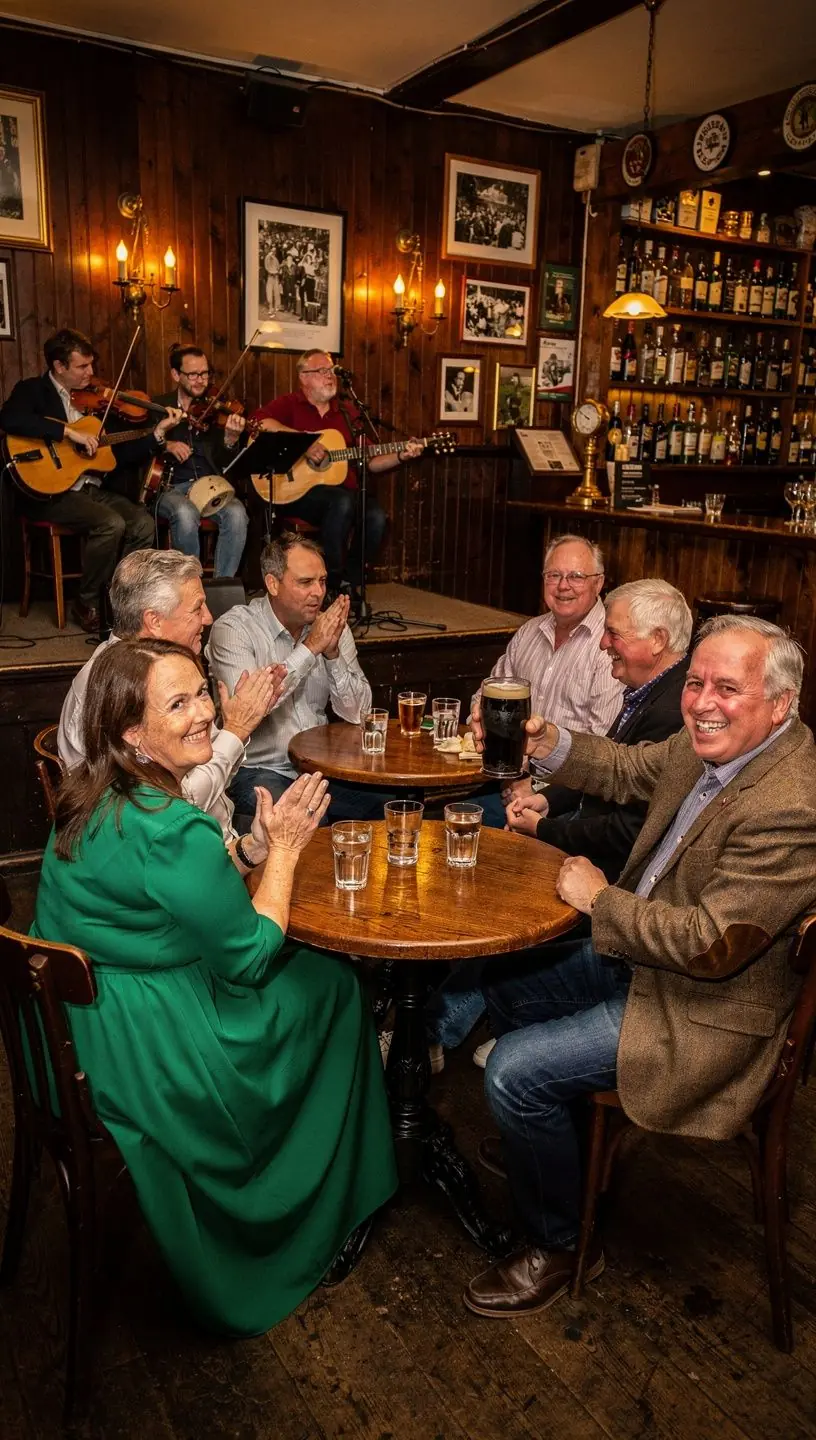
Cultural heritage events are designed to celebrate and promote local traditions, art forms, and historical narratives. According to research conducted by the Arts Council of Ireland, these events often strengthen community ties and enhance local identity.

"Cultural events have the power to build bridges within communities, fostering understanding and appreciation for diverse backgrounds."
Benefits of Attending Cultural Heritage Events
- Promotes Social Cohesion: Engaging in cultural events often leads to increased social interaction and a sense of belonging. Studies show that participating in community activities can significantly improve mental well-being.
- Supports Local Economies: Research indicates that cultural events can boost local businesses, with many attendees spending on food, crafts, and other local offerings. This economic uplift can be a vital aspect of sustaining local artisans and entrepreneurs.
- Enhances Knowledge and Appreciation: Exposure to local culture often enriches one's understanding of history and traditions. Many users report that learning about their heritage through such events leads to a deeper appreciation of their community's unique narrative.
Understanding the Impact on Personal Development
Attending cultural heritage events can also foster personal growth. The principle behind this is rooted in the idea that exposure to diverse cultural expressions can broaden one's worldview. In many cases, participants find that engaging with different forms of art and tradition can enhance creativity and inspire new ideas.
Challenges and Considerations
While cultural heritage events offer numerous benefits, they may not be suitable for everyone. Attending events typically requires a time commitment, often taking several hours or even a full day. Additionally, those who wish to engage deeply with the cultural practices might need prior knowledge or a willingness to learn. Experts recommend that individuals approach these events with an open mind and an eagerness to explore.
How to Get Involved
If you're interested in attending cultural heritage events, here are some practical steps to consider:
- Research Local Events: Check community boards and local websites for upcoming events that align with your interests.
- Plan Ahead: Many events may require advance registration or have limited capacity, so it’s advisable to secure your place early.
- Engage with Others: Don’t hesitate to talk to other attendees and organizers. Many users find that networking at these events can lead to meaningful connections and further opportunities for participation.
Conclusion
Cultural heritage events are not just gatherings; they are crucial in promoting community, supporting local economies, and enhancing personal growth. By understanding their significance and actively participating, individuals can contribute to the preservation of cultural diversity in Ireland. Whether you’re looking to connect with your roots or simply enjoy the richness of local traditions, these events offer a valuable experience for everyone.